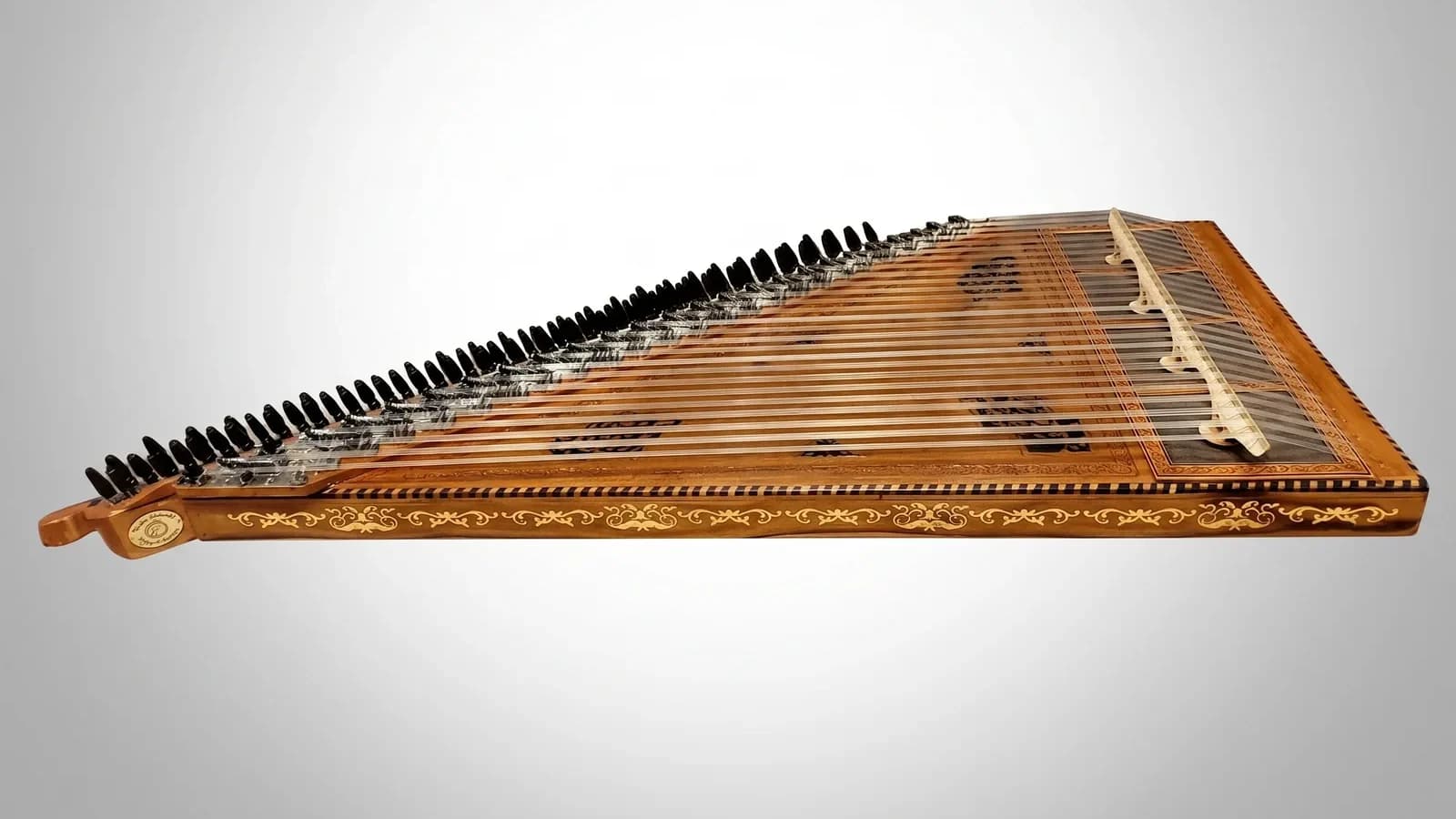
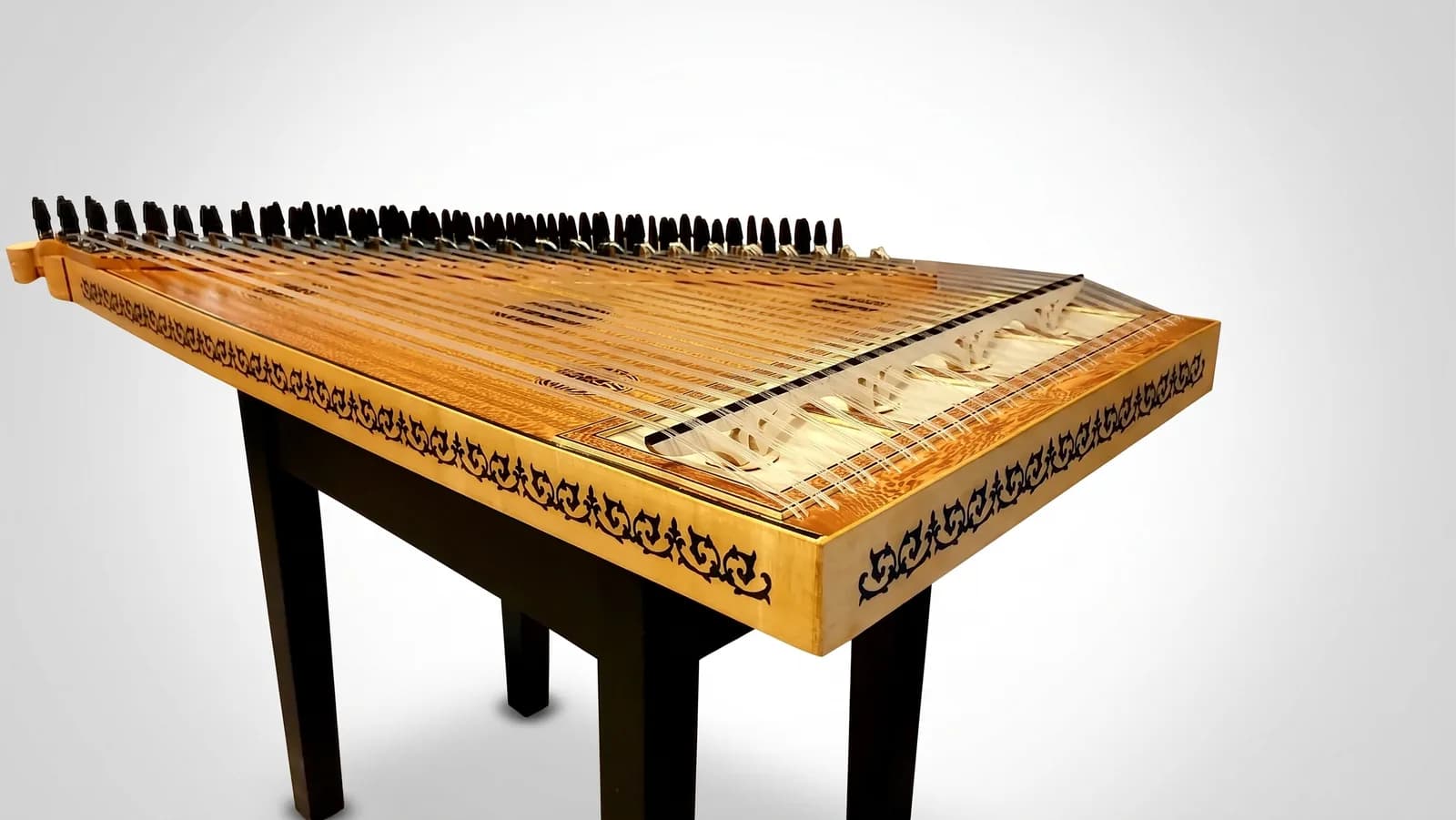
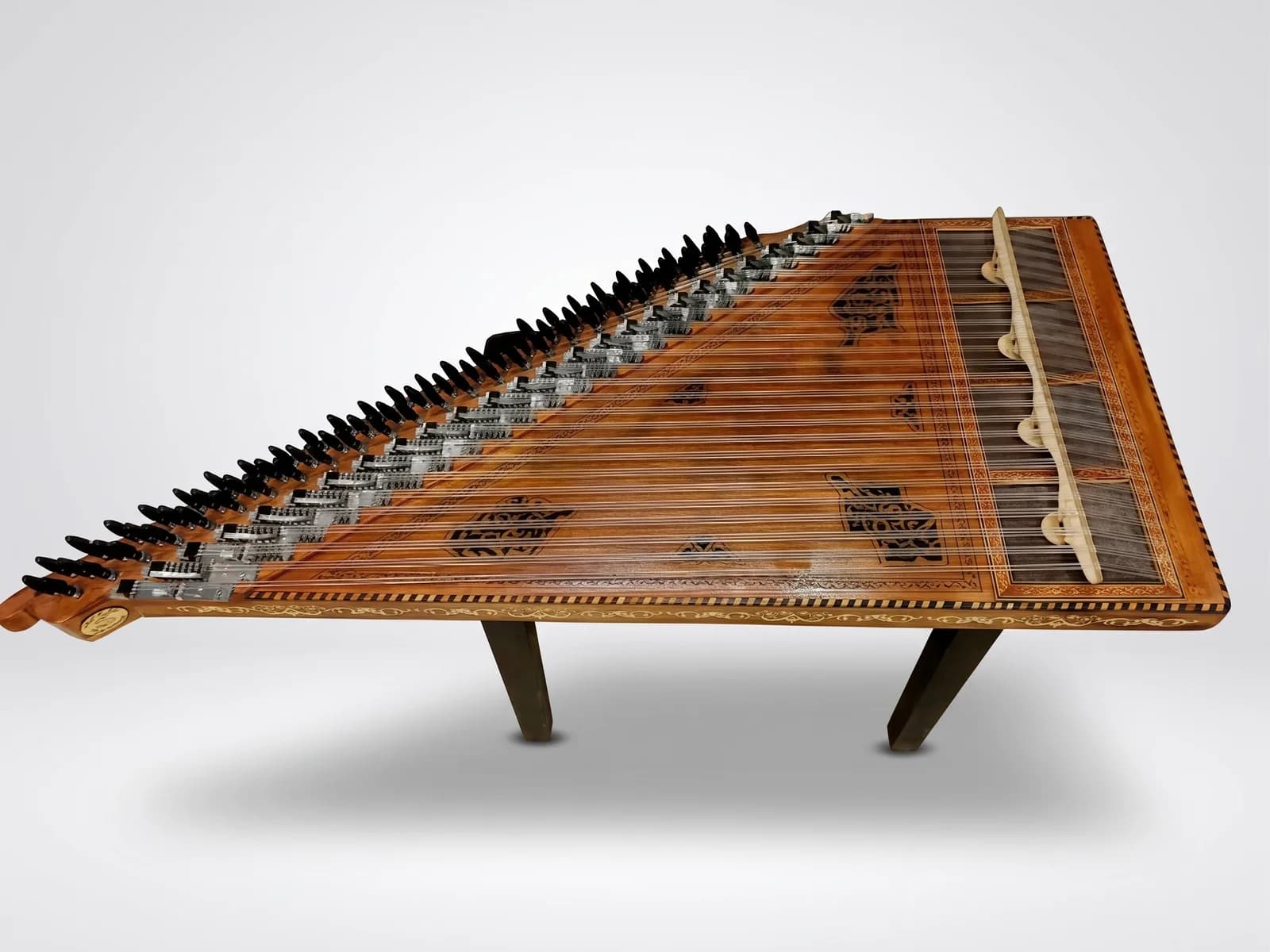
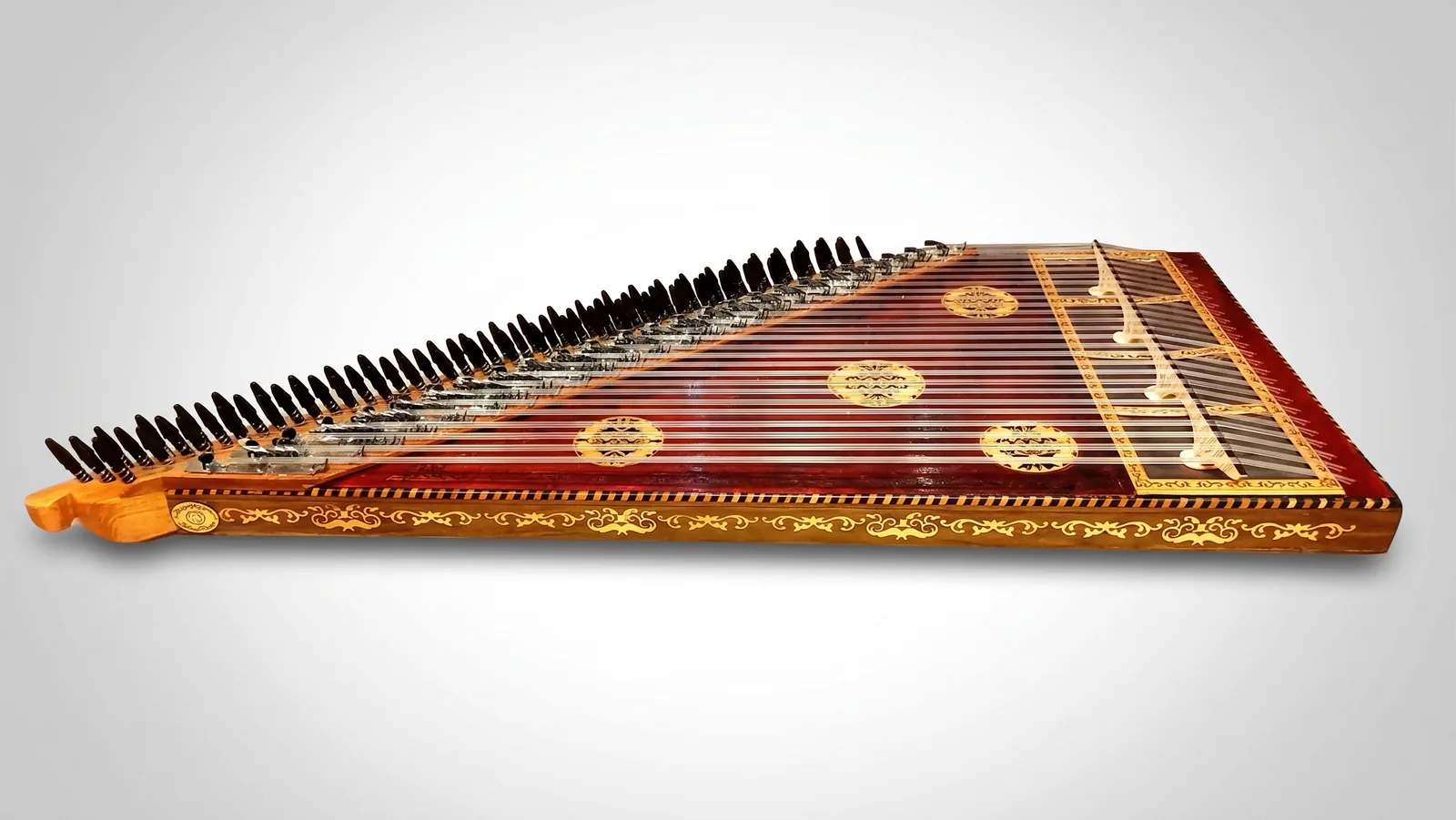
Practicing kanun in an apartment is possible with the right timing, floor support and volume habits. Practical ways to keep neighbors happy while you still progress.
Custom order, a ready-made instrument from the showroom, or online — three ways to buy a handmade kanun in Antalya, and which fits you.
A kanun's "course" and its strings are not the same thing. How string groups work, why 26 courses is the standard size, and what changes with it.
Progress on the kanun comes from short, regular repetition, not long occasional sessions. How to plan daily practice and what a session should cover.
From choosing the wood to settling the tuning — the stages a handmade kanun goes through in the workshop: body, soundboard, levers and checks.
A practical guide for anyone thinking of giving a kanun as a gift — who it suits, which size to choose, what to check, and how to reach the workshop.
How to clean a kanun's body, strings and levers after playing, and what materials to avoid. A simple, safe cleaning routine.
Starting the kanun as an adult has no real barrier. A practical guide to what differs from children, time to set aside, and starting right.
Is the kanun only a classical instrument? Its place across Turkish art music, folk music, Sufi music and modern crossover projects.
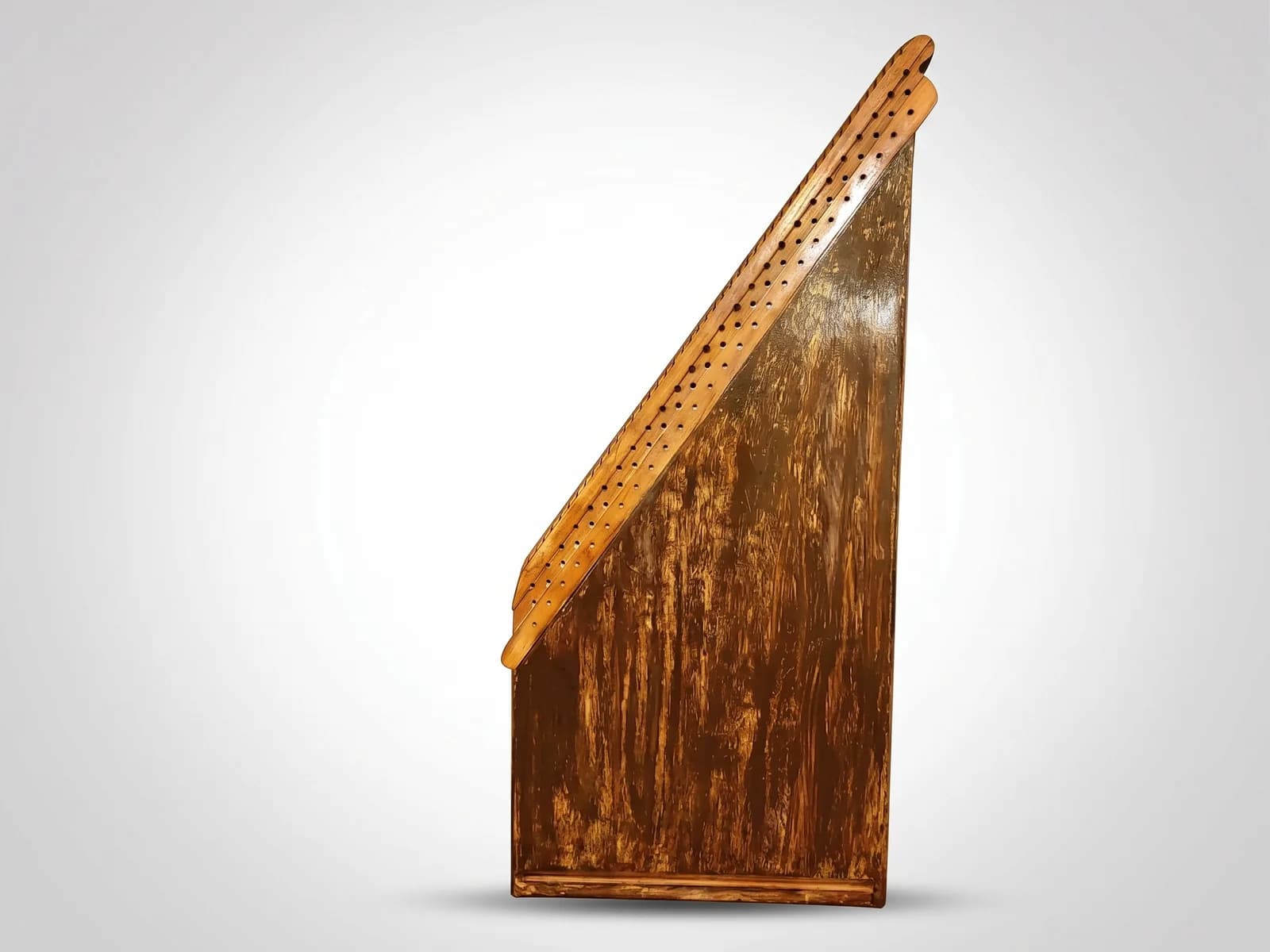
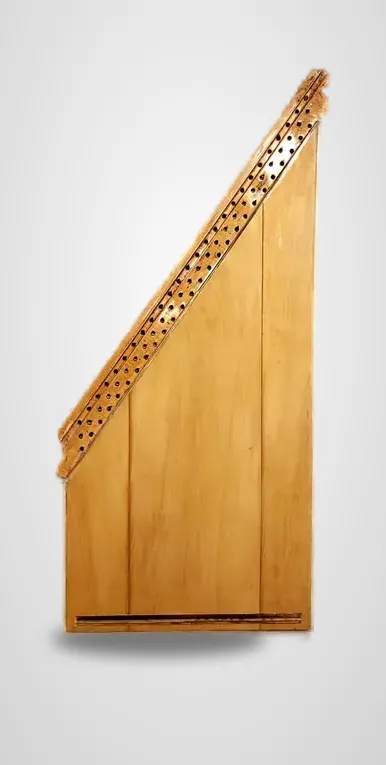
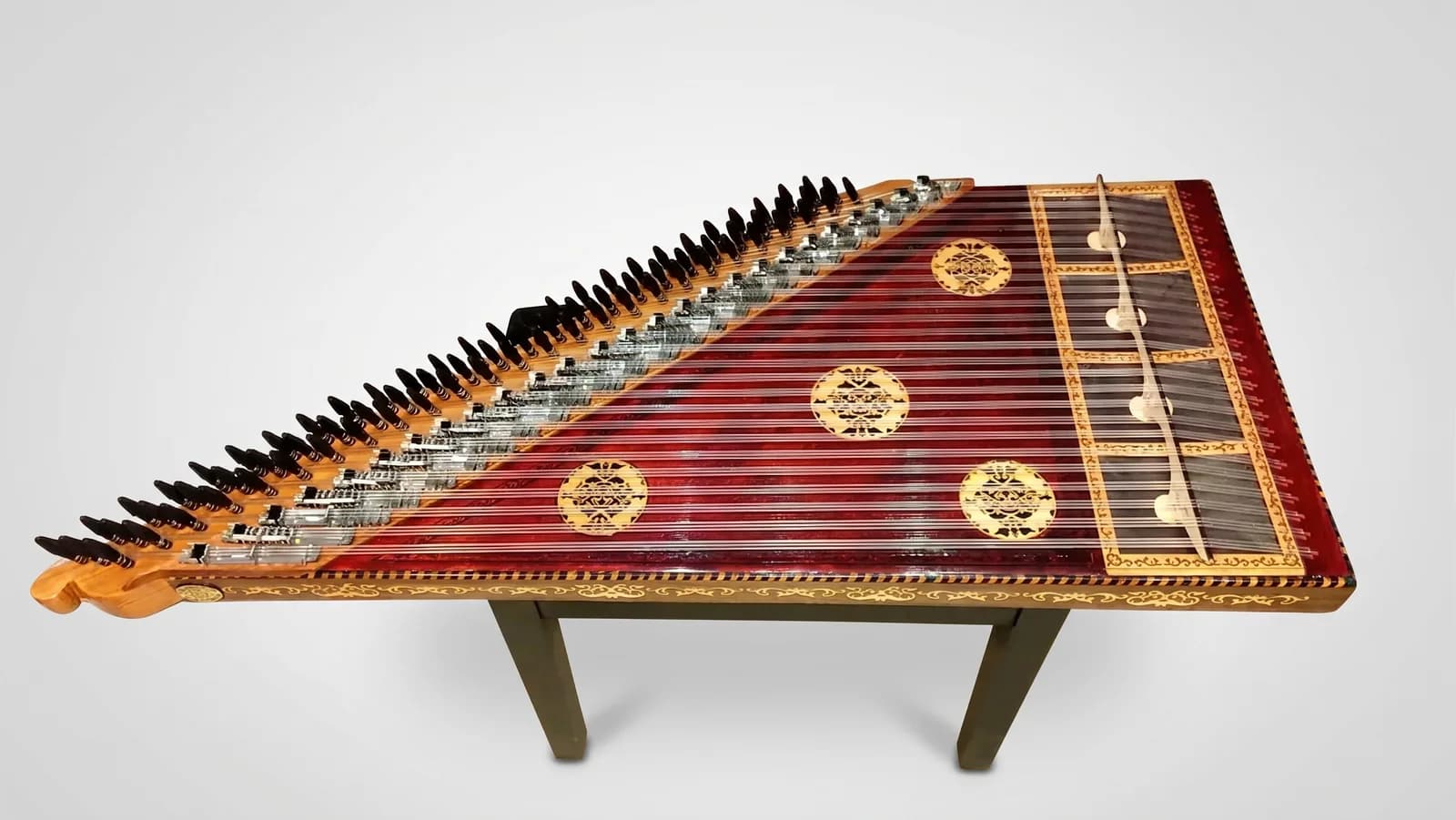
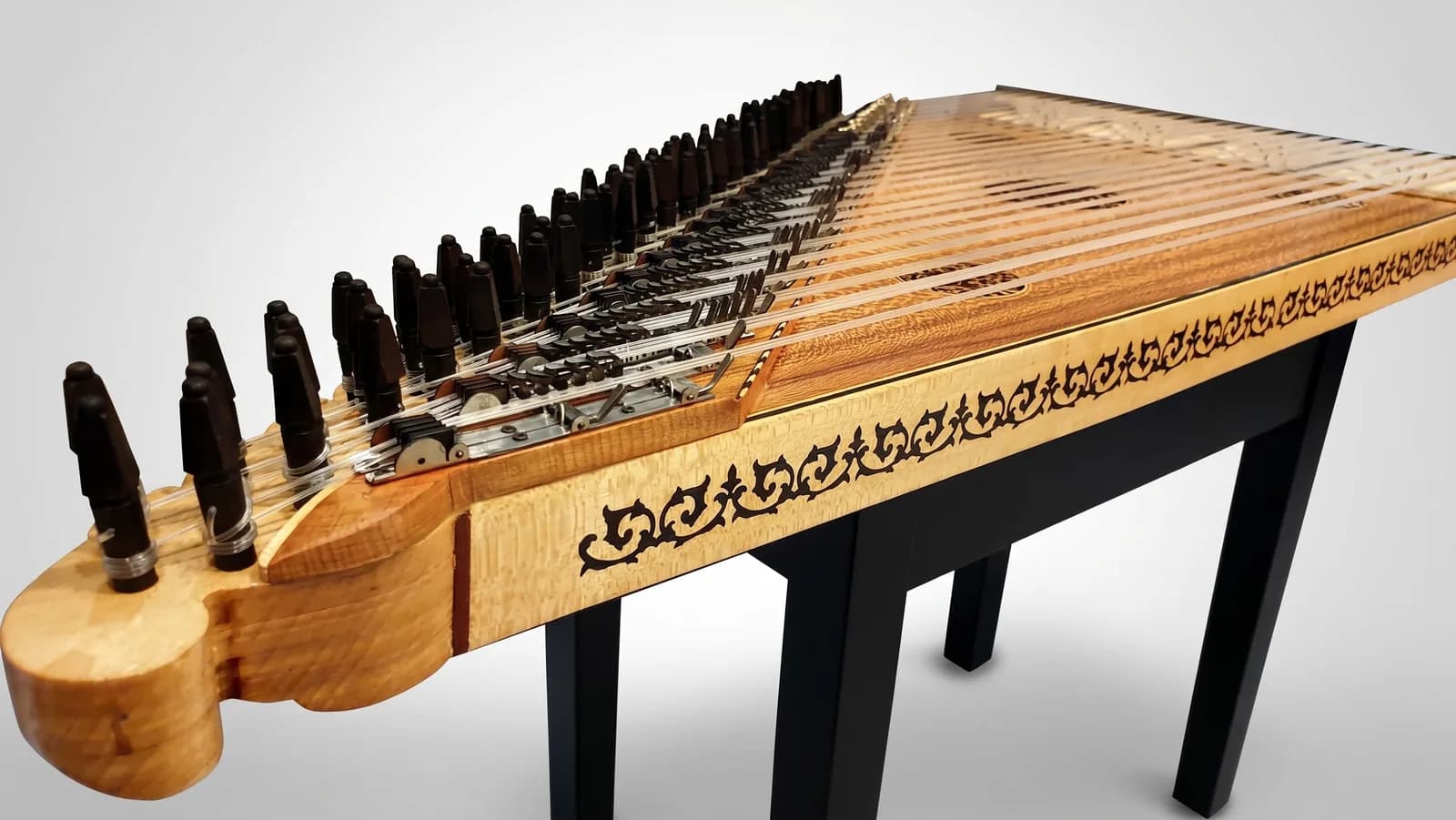
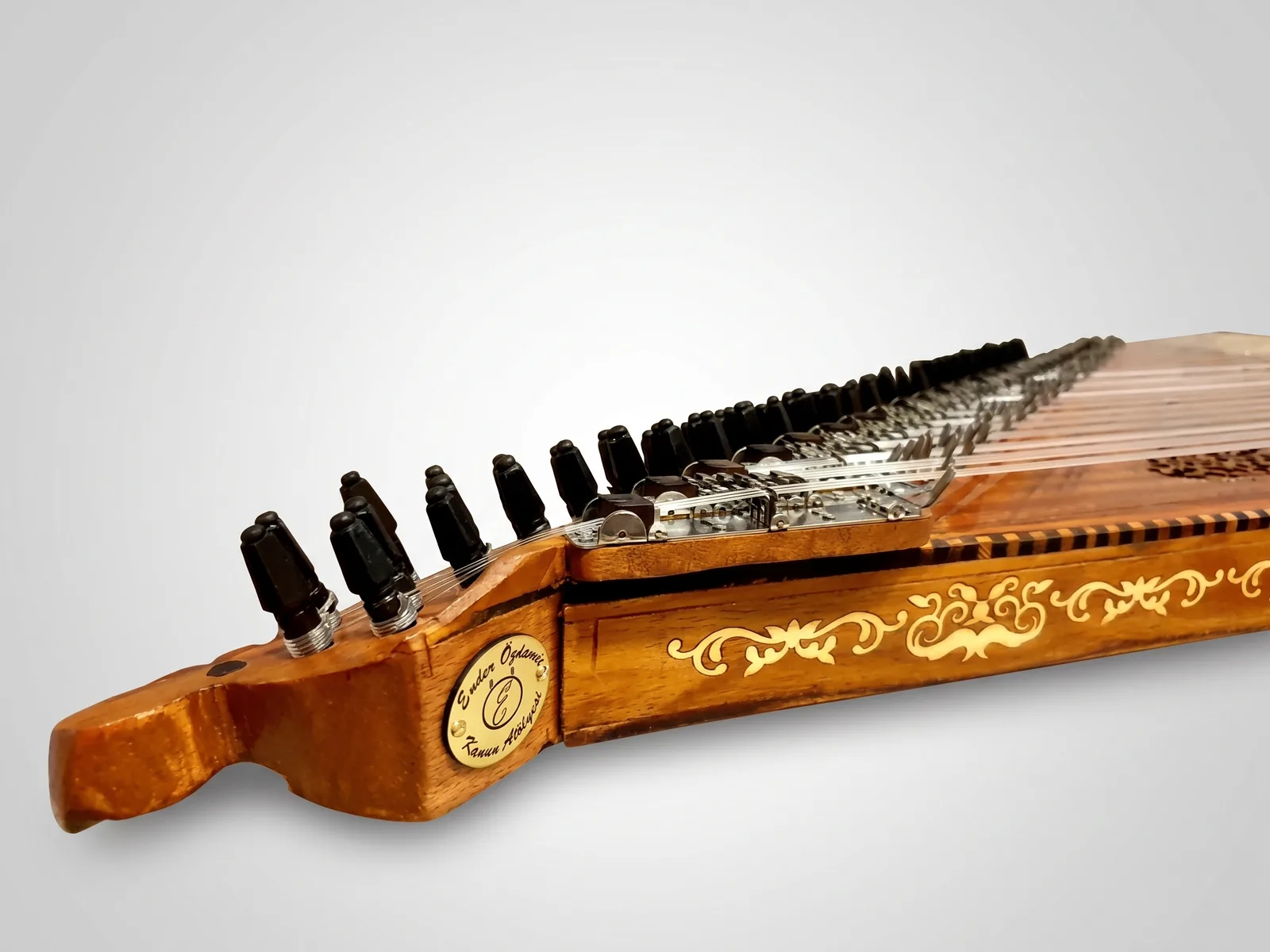
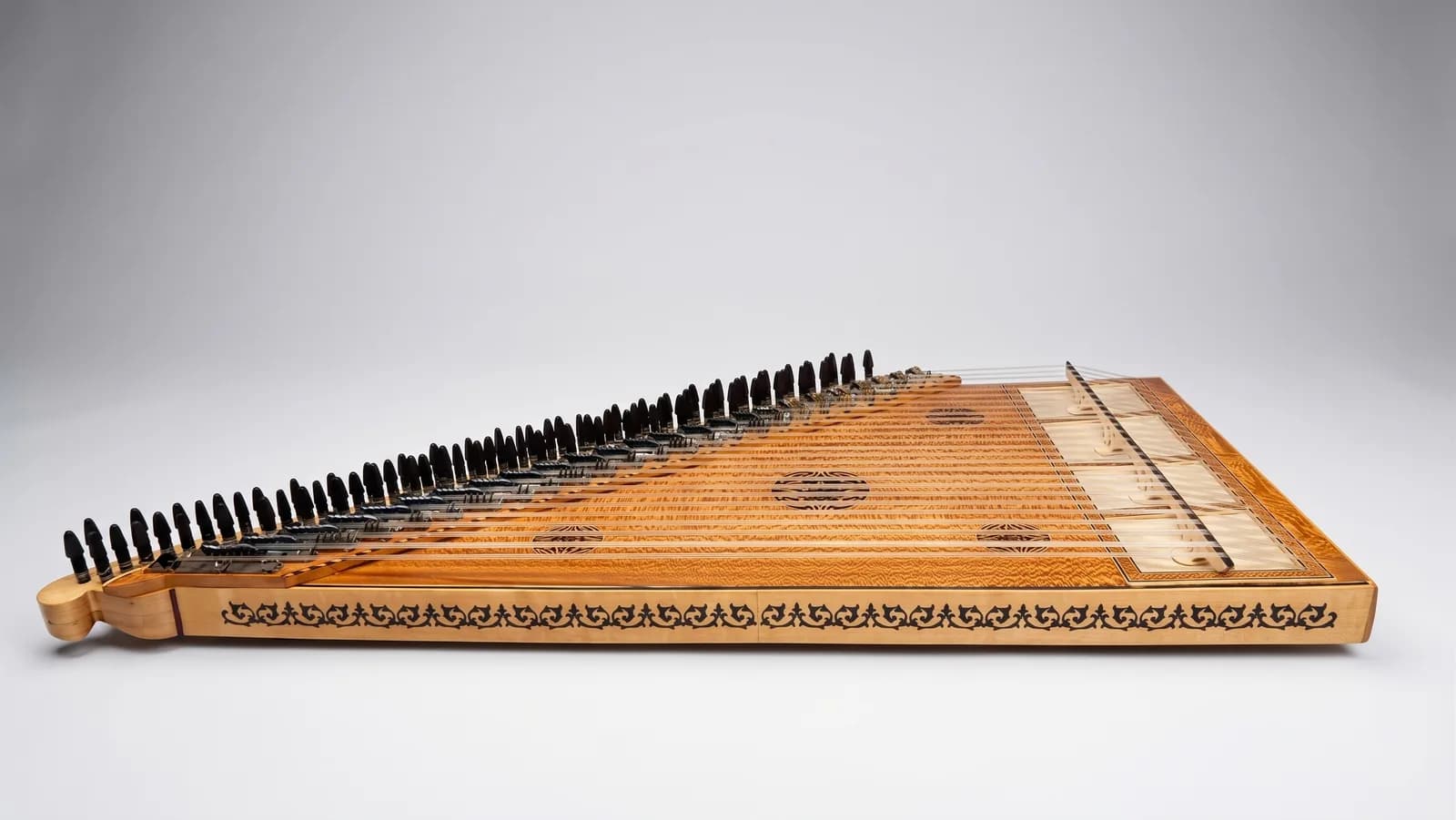
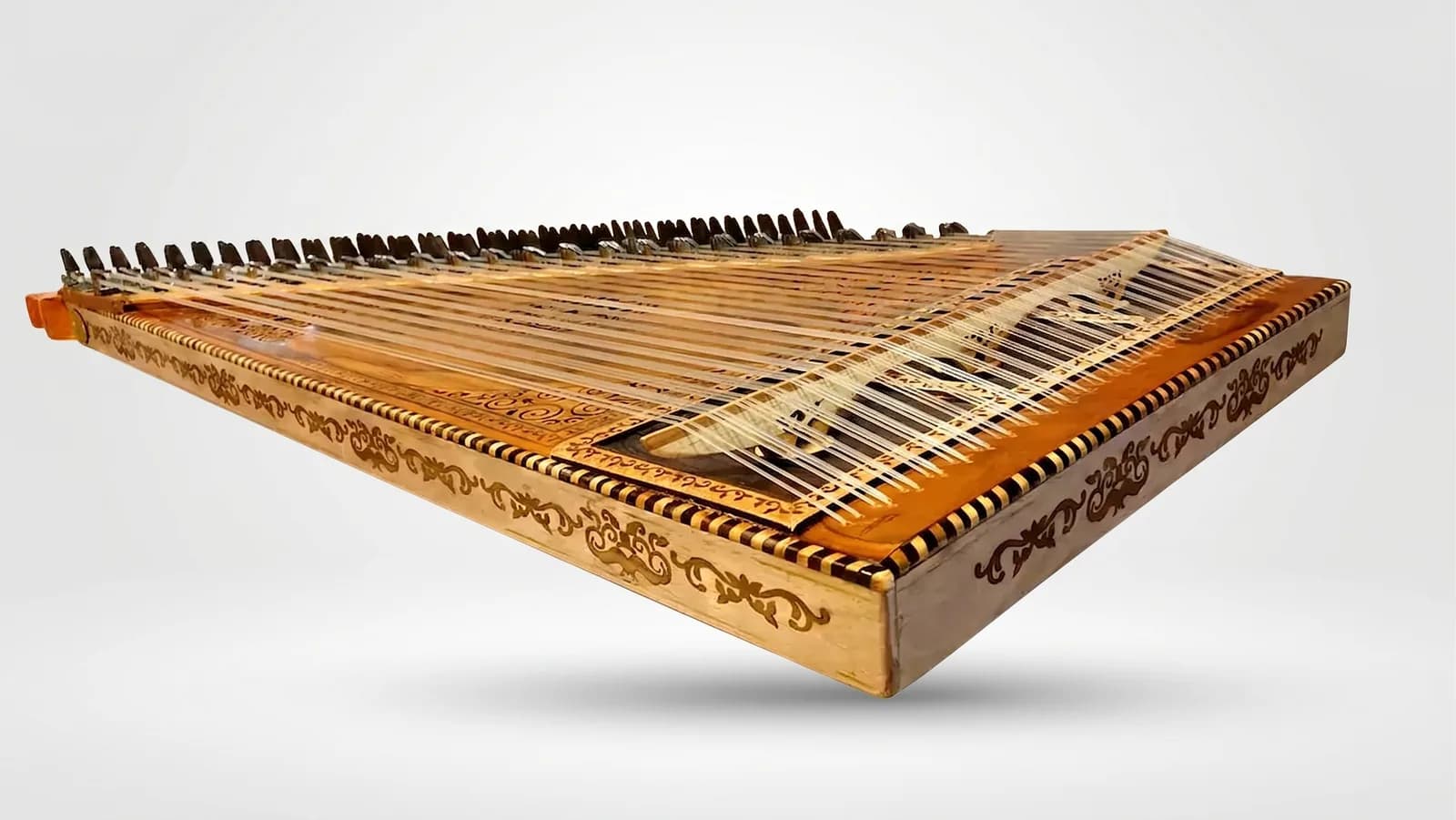
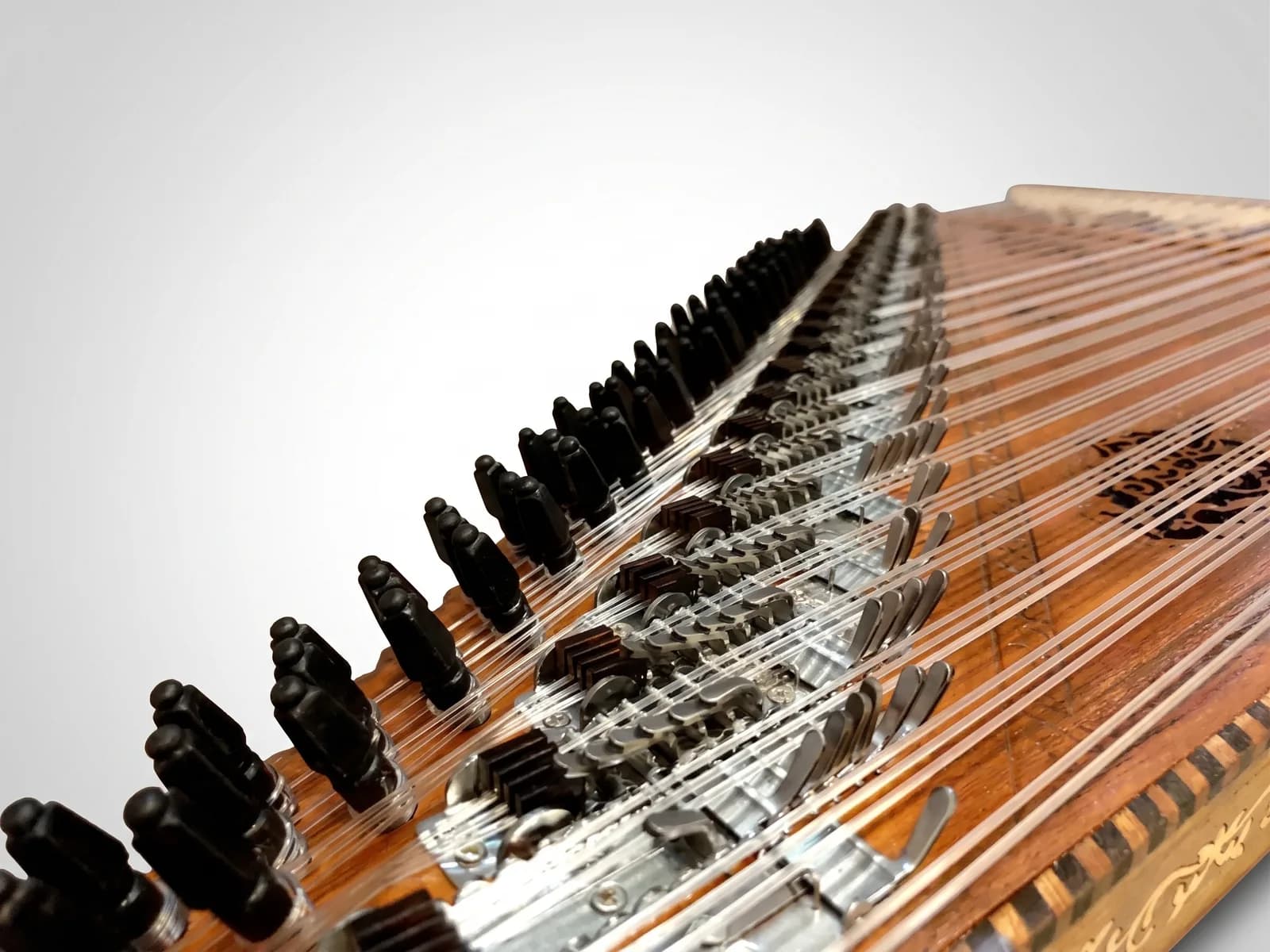
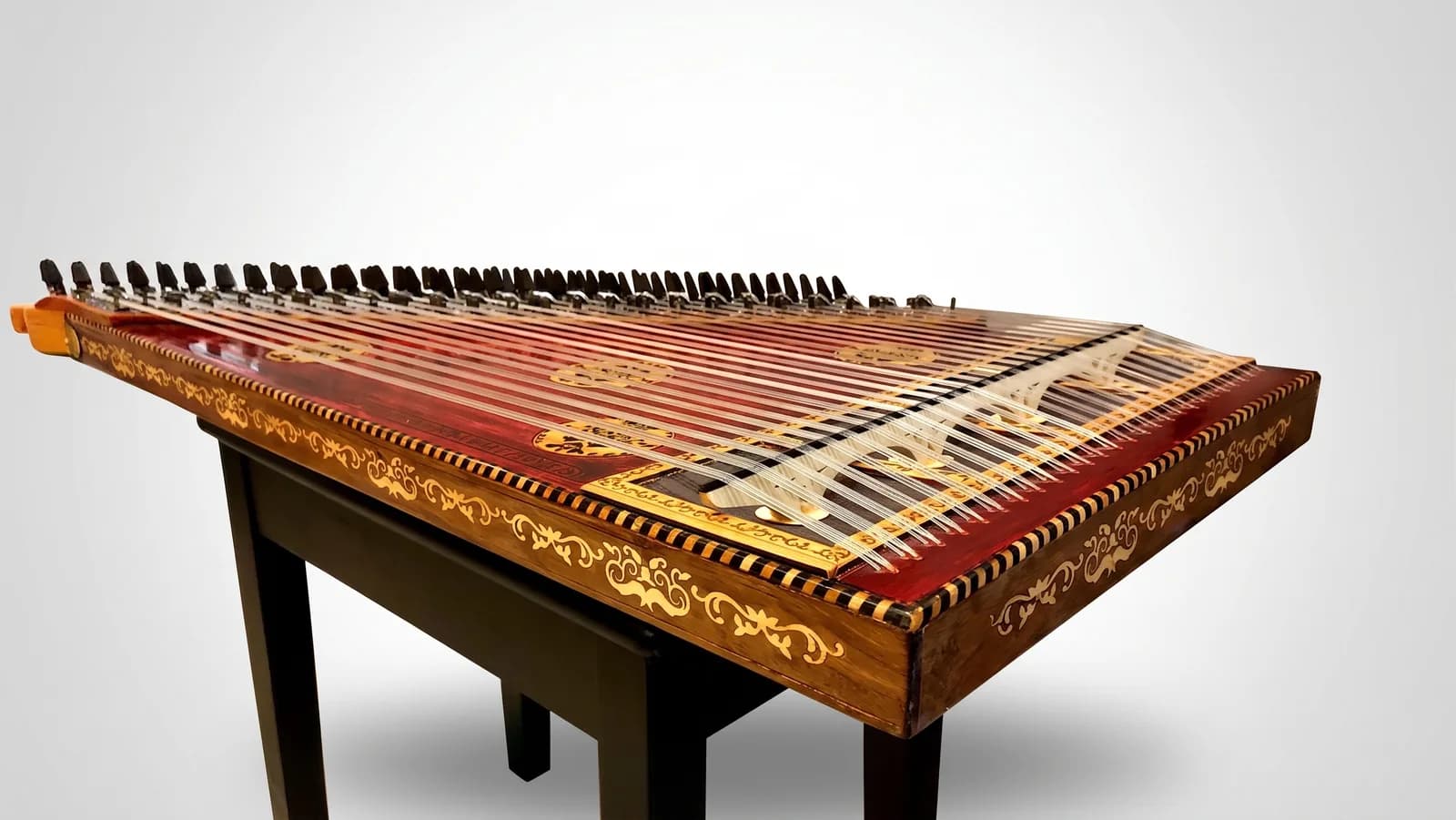
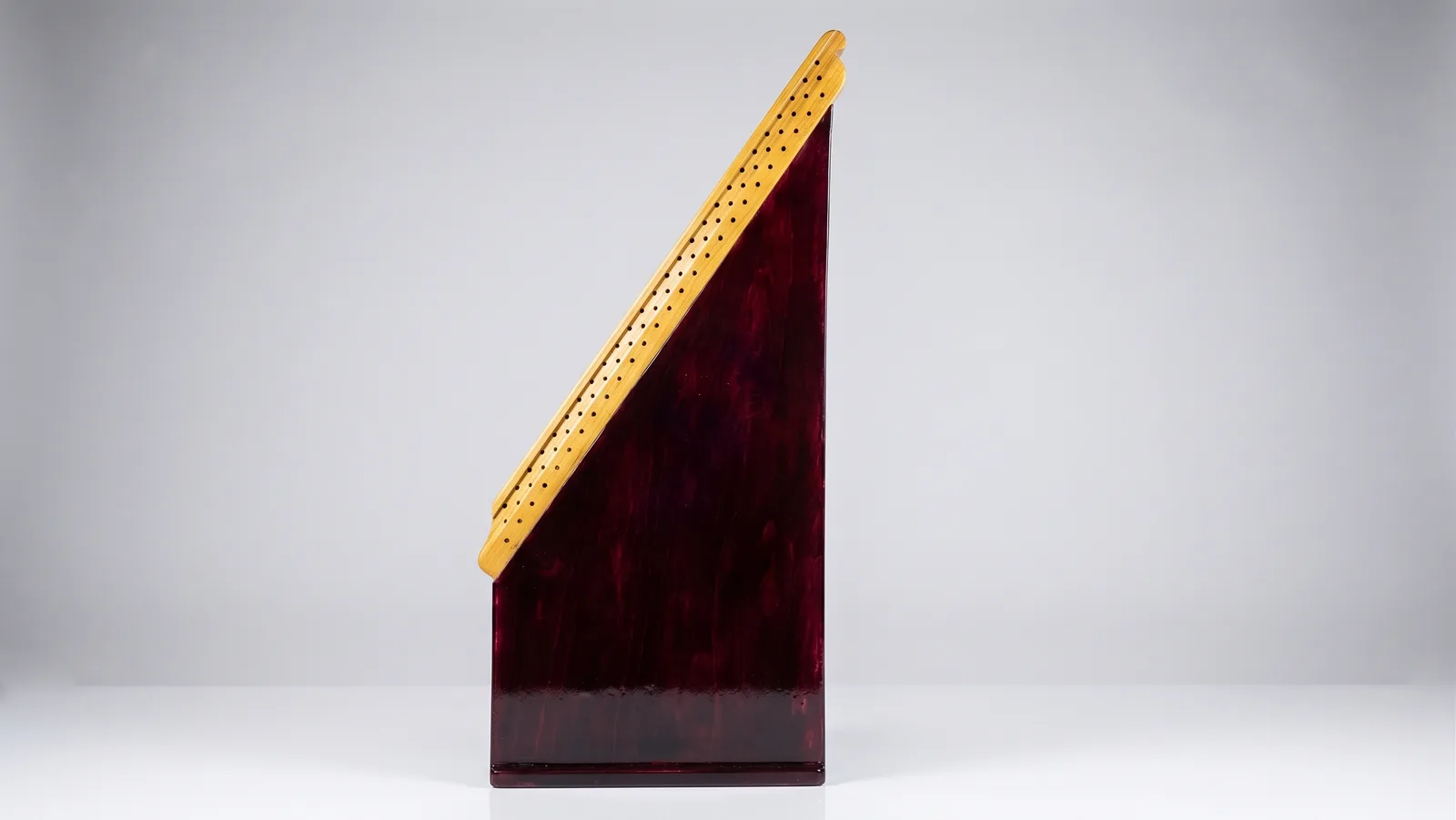
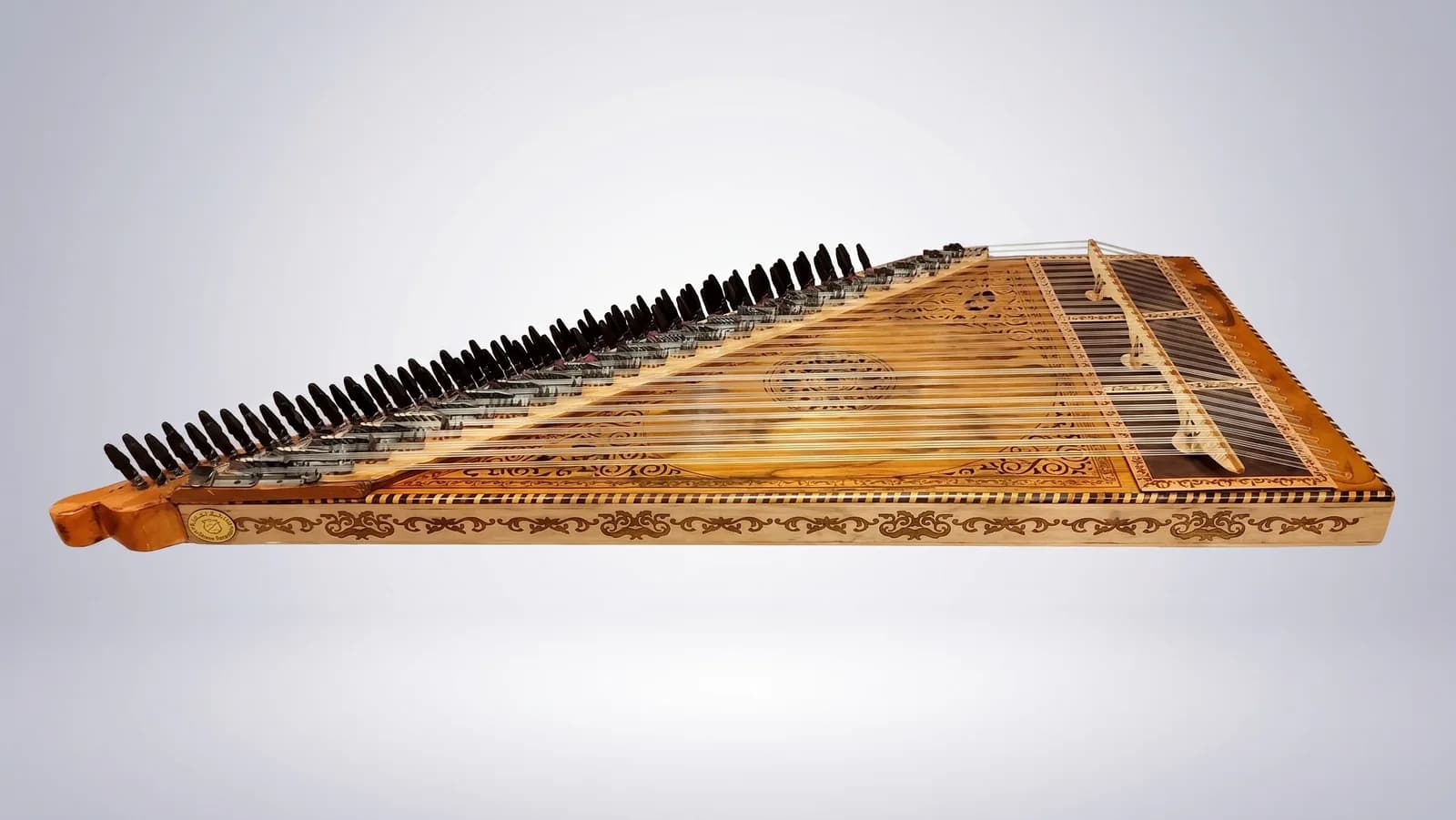
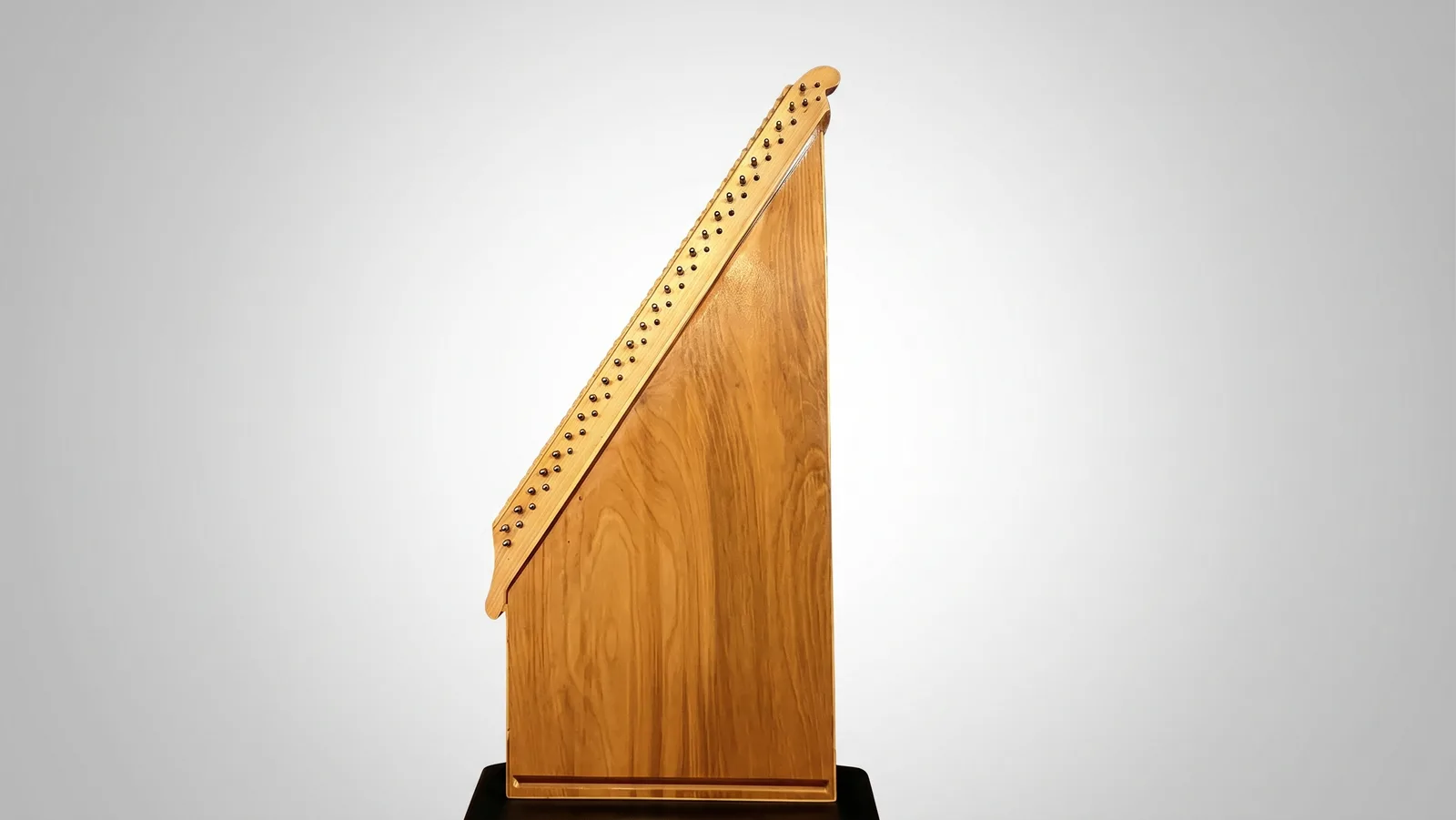
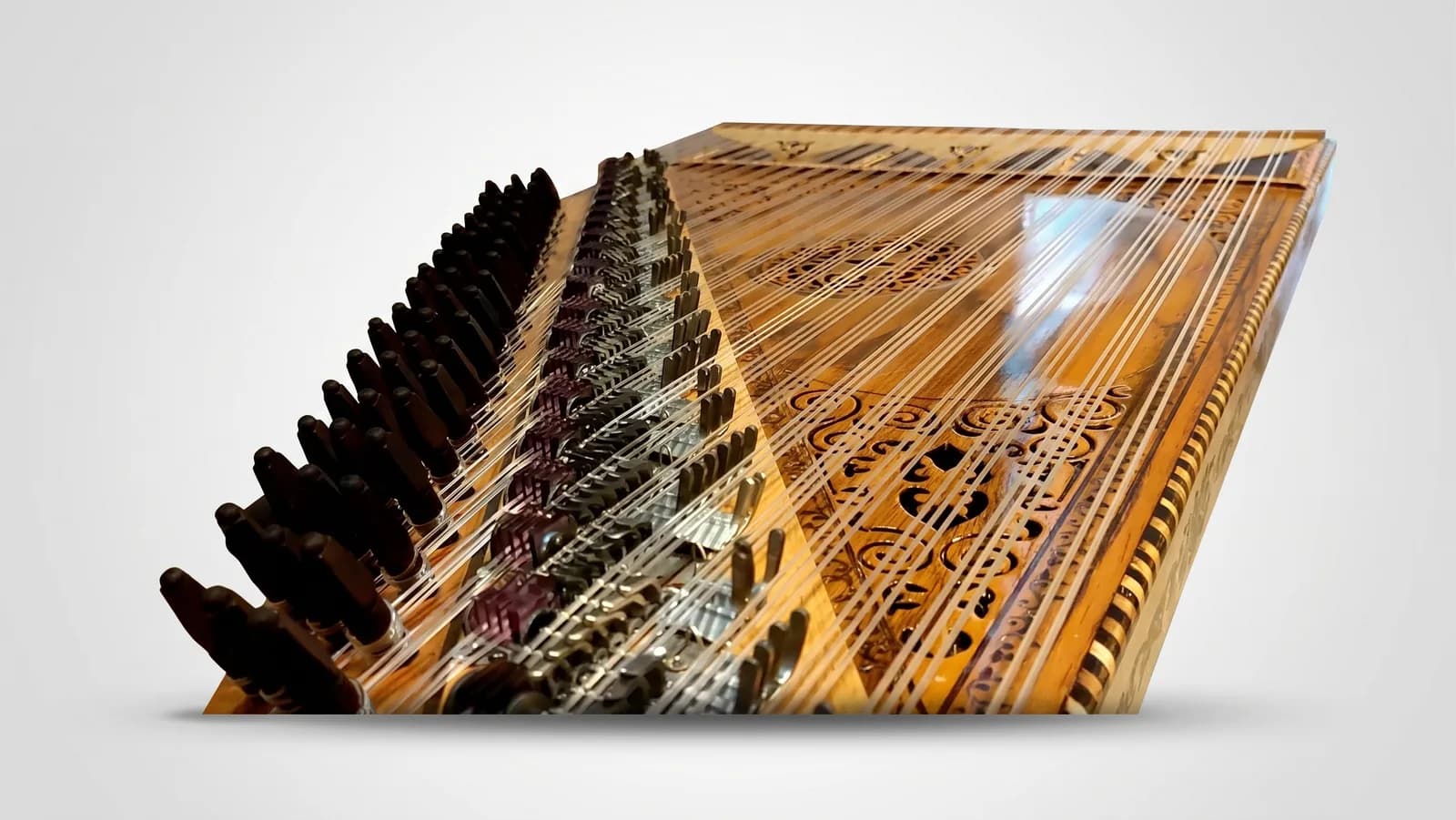
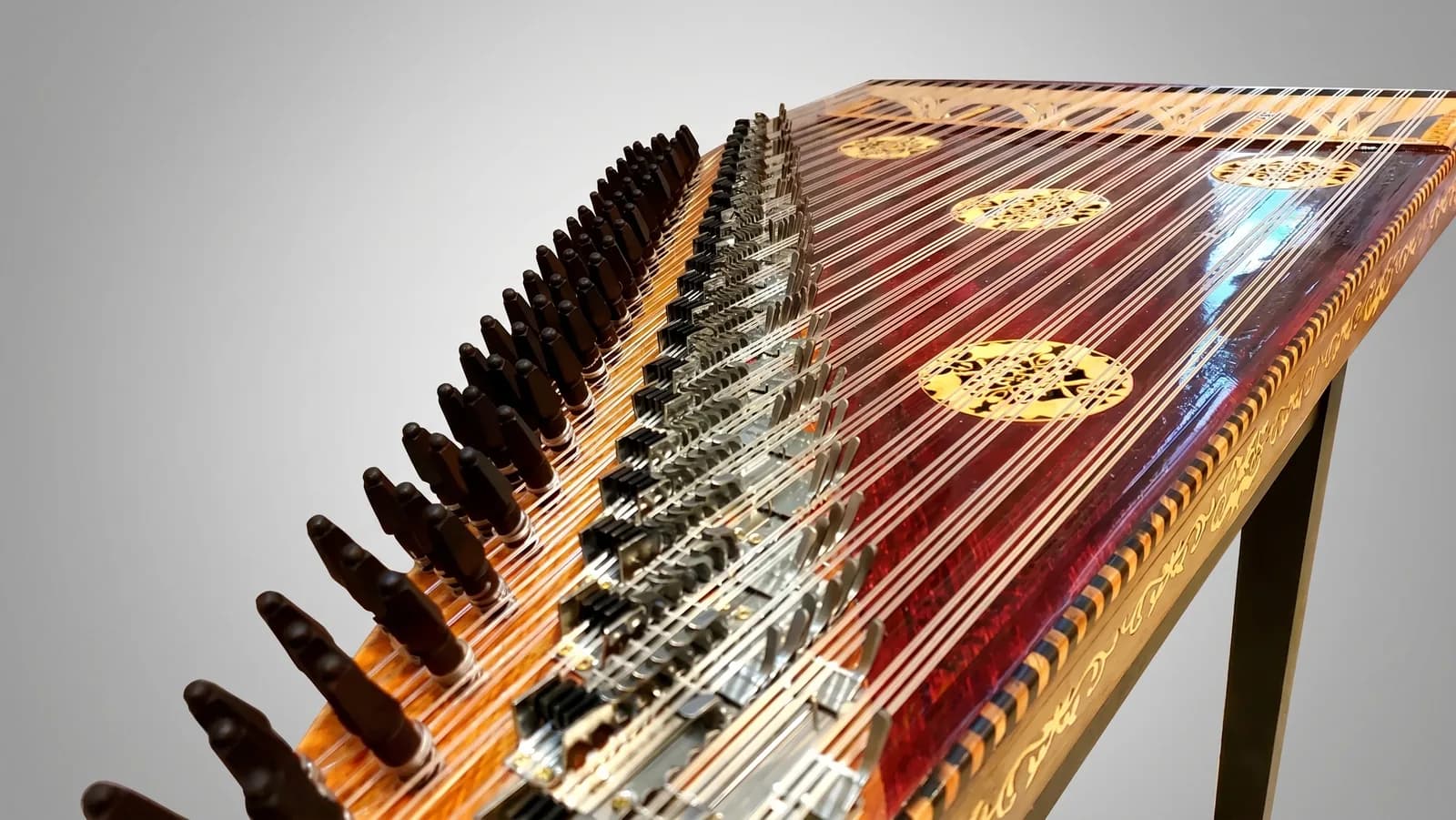
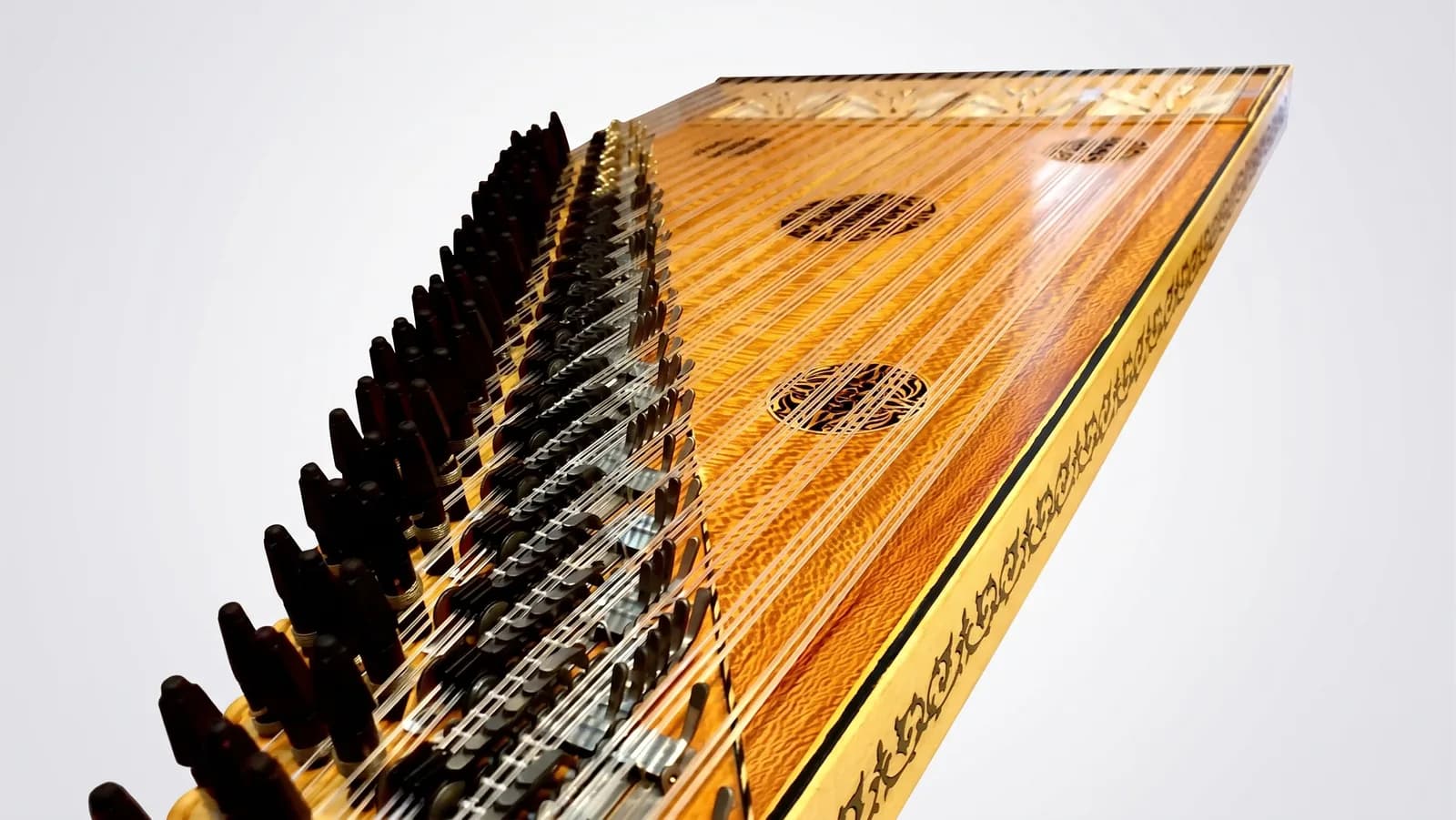
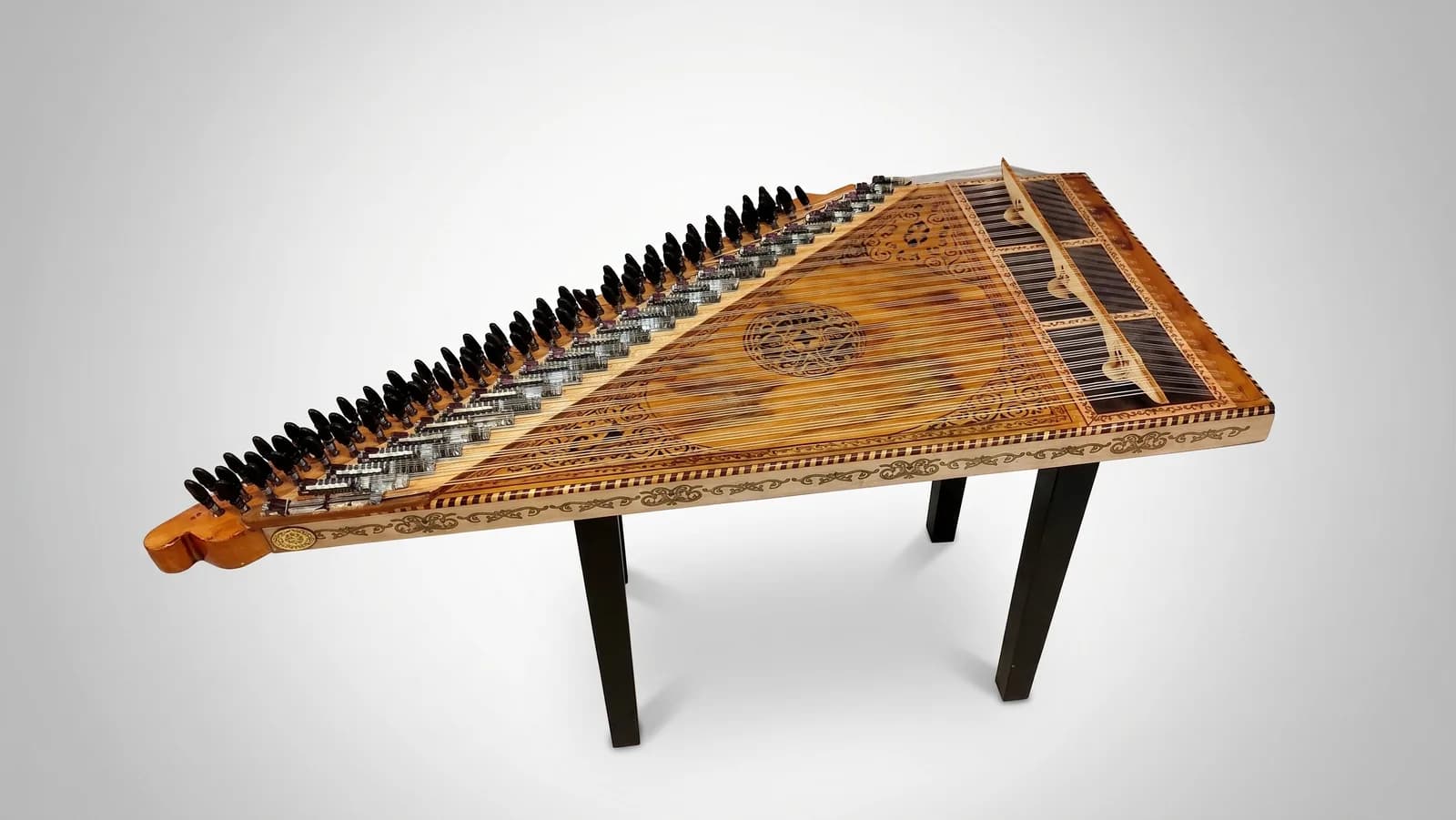
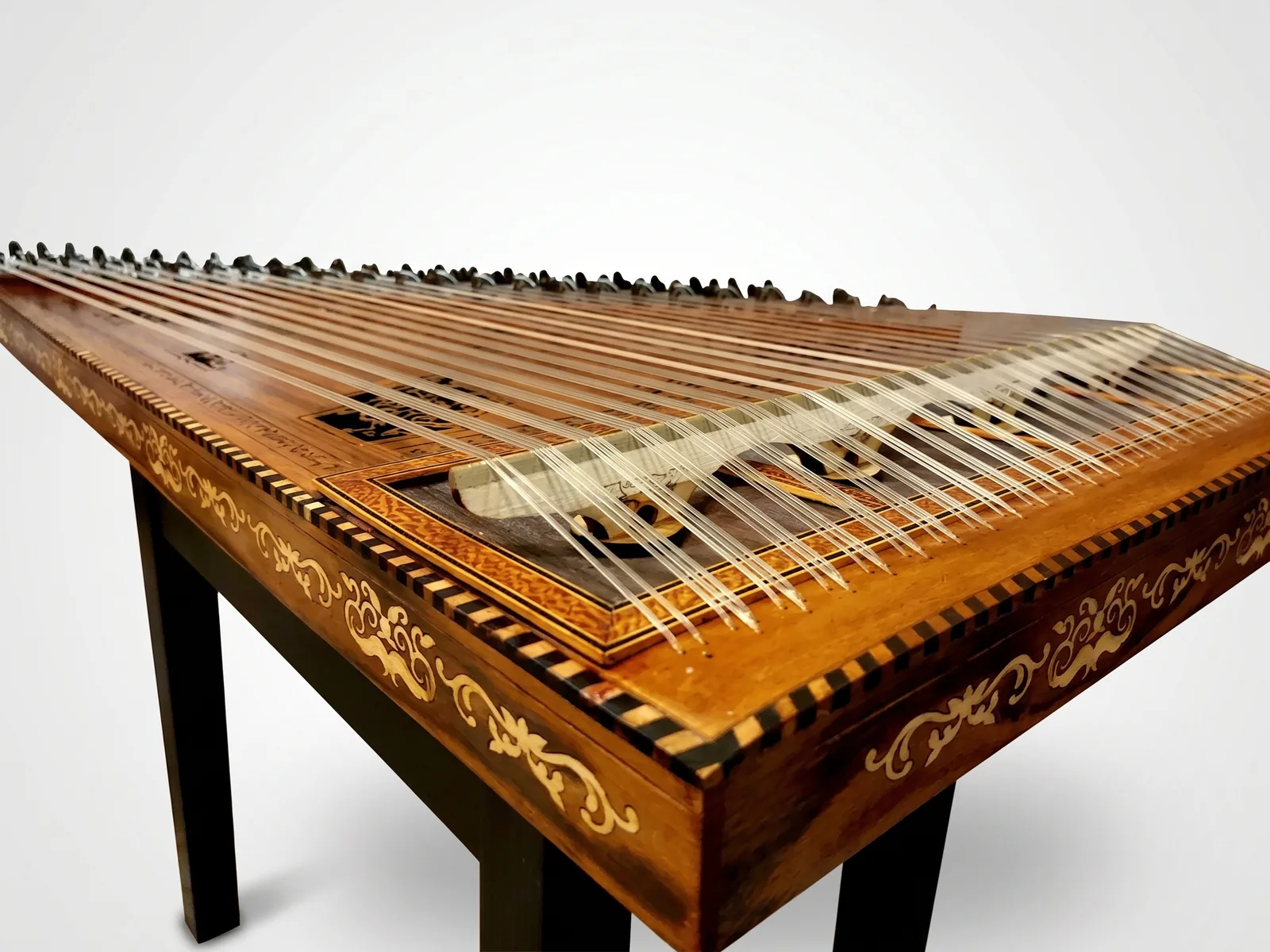
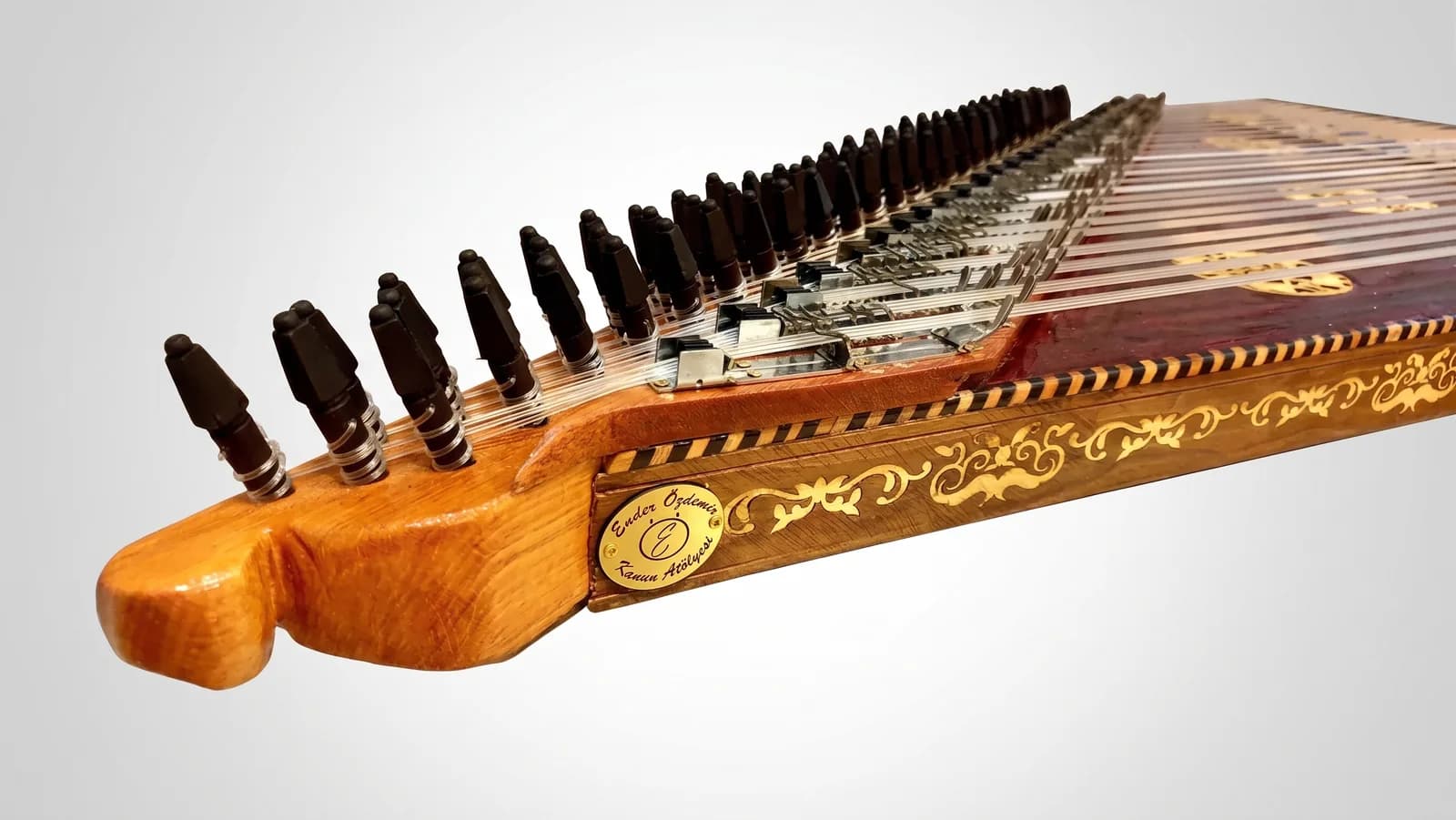
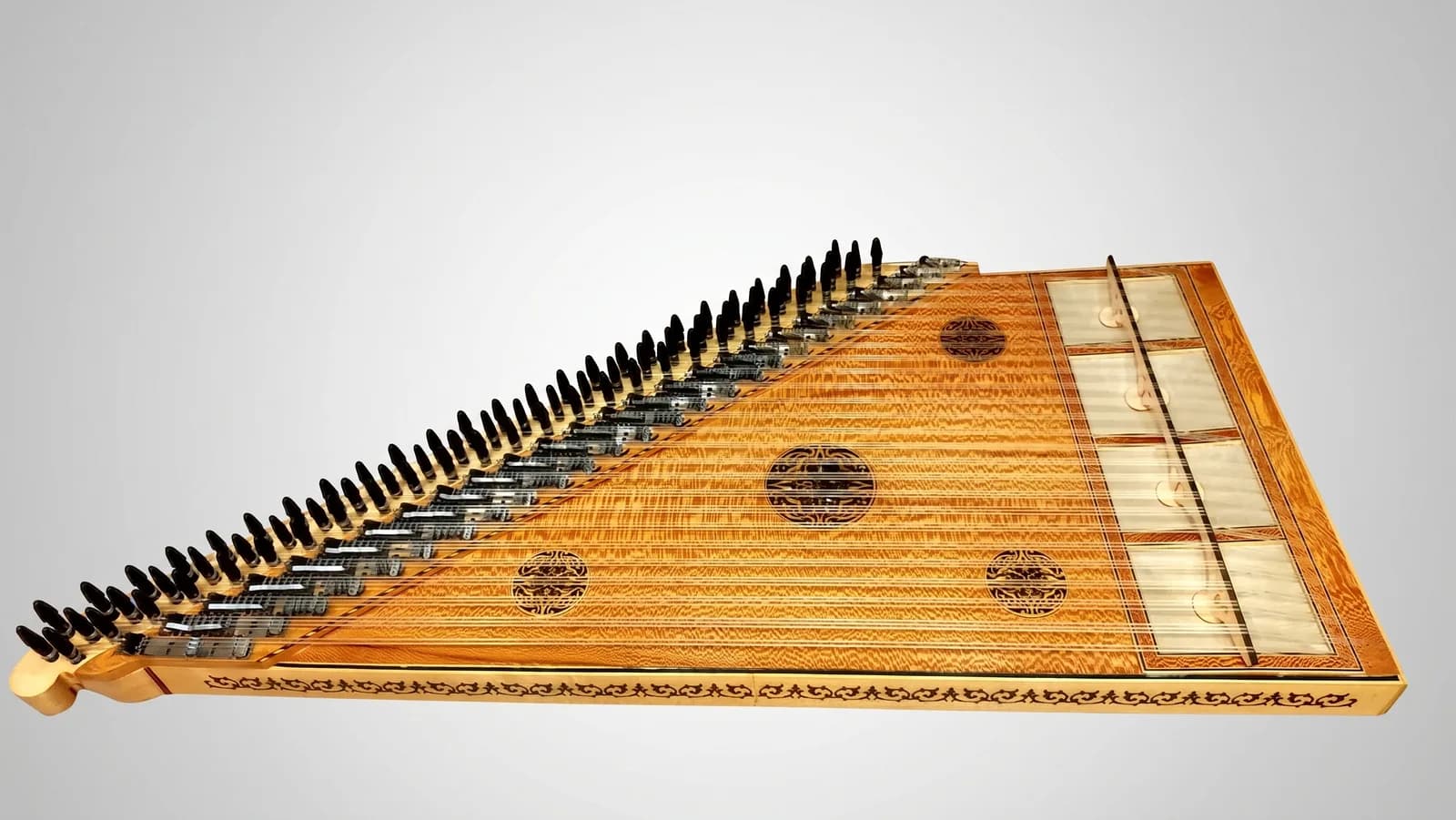
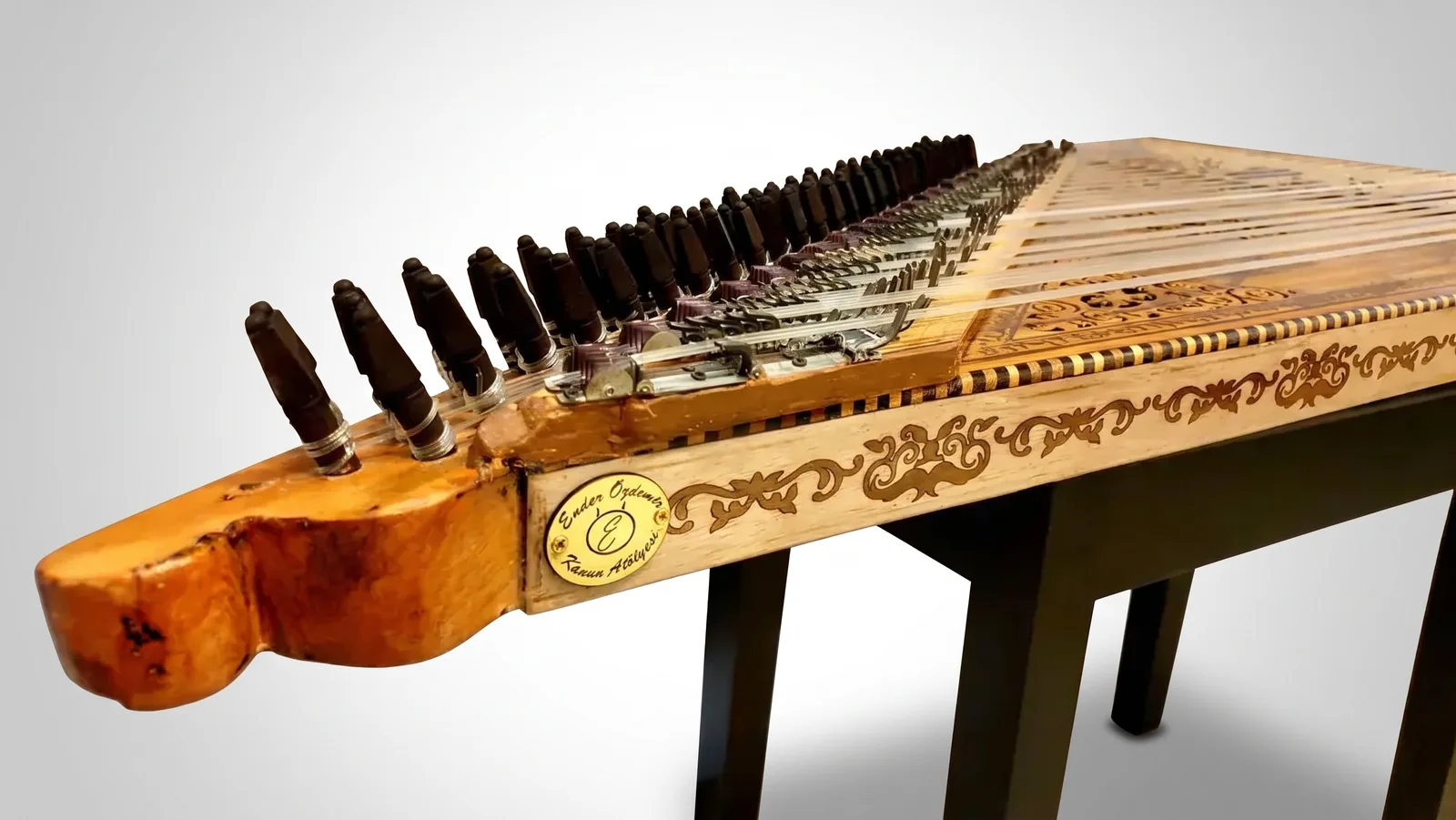
The body, soundboard, bridge, strings, tuning pins, levers — a short guide to the parts that make up a kanun and what each one does.
A kanun's sound starts to fade the instant it's plucked. Tril — rapid, alternating strokes that sustain a note — is one of the instrument's most distinctive techniques.
Where does the word kanun come from, when did the instrument appear, and when was the lever system added? A short guide to the kanun's history.
Stand or lap, how should the shoulders sit, how is stand height set? Practical rules for a comfortable, strain-free kanun posture.
How humidity and temperature swings affect a kanun's wood, soundboard and strings, and simple habits for storing the instrument at home or on the road.
A practical starting guide for anyone looking for kanun lessons or a kanun workshop in Antalya — lessons, instruments and that first visit.
What actually shapes a kanun's price — new vs. second-hand, accessories, and how to size up your budget before you buy.
Kanun, oud, santur and ney are often mentioned together in Turkish music. Their family, playing technique and role, compared simply.
What to look for in a kanun stand, case and tuning key. A guide to the basic accessories that protect the instrument day to day and in transit.
How to spot worn kanun strings, why tuning drifts fast, and whether to replace one string or the whole group. A practical guide to string care.
Experience, lesson structure, instrument fit — what to look for and what to ask when choosing a kanun teacher for yourself or your child.
What is a junior, travel-size kanun, and who is it for? A guide to size, travel care and choosing between junior and full-size instruments.
The ring should fit, the plectrum should be neither too stiff nor too soft. A short guide to choosing and replacing a kanun plectrum.
What do the small metal levers on a kanun do, and how do they change the pitch? A short guide to the lever system and its upkeep.
What it's like to start the kanun from zero, how long before you can play, which instrument to start with. The questions beginners ask.
How to hold the tuning key, where to start, why the tuning drifts. Tuning a kanun step by step, and the common mistakes.
New or second-hand — a practical checklist for cracks, tuning, levers and after-sales when buying your first kanun.
Sound, workmanship, the lever system, the wood and the maker's hand — five things to weigh when judging a handmade kanun.
The gap between factory production and handcraft comes down to one word: CARE. From the choice of wood to the levers, every part is unique to that instrument.
Humidity, temperature and regular tuning — simple rules for keeping a kanun in shape for years.
Sycamore or spruce for the soundboard? Why grain direction, age and resting time matter so much.